Substantive Post #2 – Models of Active Learning
Active vs Passive Learning
Active learning is the process in which students are participants in their learning. This is achieved through group work, discussion, reflection and design. Passive learning is the process in which students are presented with information either by listening to a lecture, watching a video, or reading a book. Both types of learning are necessary for cognitive engagement as denoted by the ICAP Framework. Passive learning is necessary to build a foundation of knowledge. Active learning reinforces knowledge and expands critical thinking. This allows for Constructive then interactive engagement.

Supporting Active Learning with Multimedia
Multimedia tools can add complexity and interactivity to support active learning. However, to support the process of learning, multimedia must adhere to learning theories. Merrill’s Principles of Instruction serve as a guide for how to design instructional material to make it effective and efficient. In reviewing Merrill’s five principles, what stood out to me was the importance of context when presenting a problem. Explaining real-world implications triggers interest and engagement in the learner but, if a student doesn’t have a lot of real world experience it is important to build foundational knowledge first.
Merrill’s five principles are:
- Learning is promoted when learners are engaged in solving real-world problems
- Learning is promoted when existing knowledge [and skill] is activated as a foundation for new knowledge [and skill]
- Learning is promoted when new knowledge is demonstrated to the learner
- Learning is promoted when new knowledge is applied by the learner
- Learning is promoted when new knowledge is integrated into the learner’s world
To Learn, Students Need to DO Something
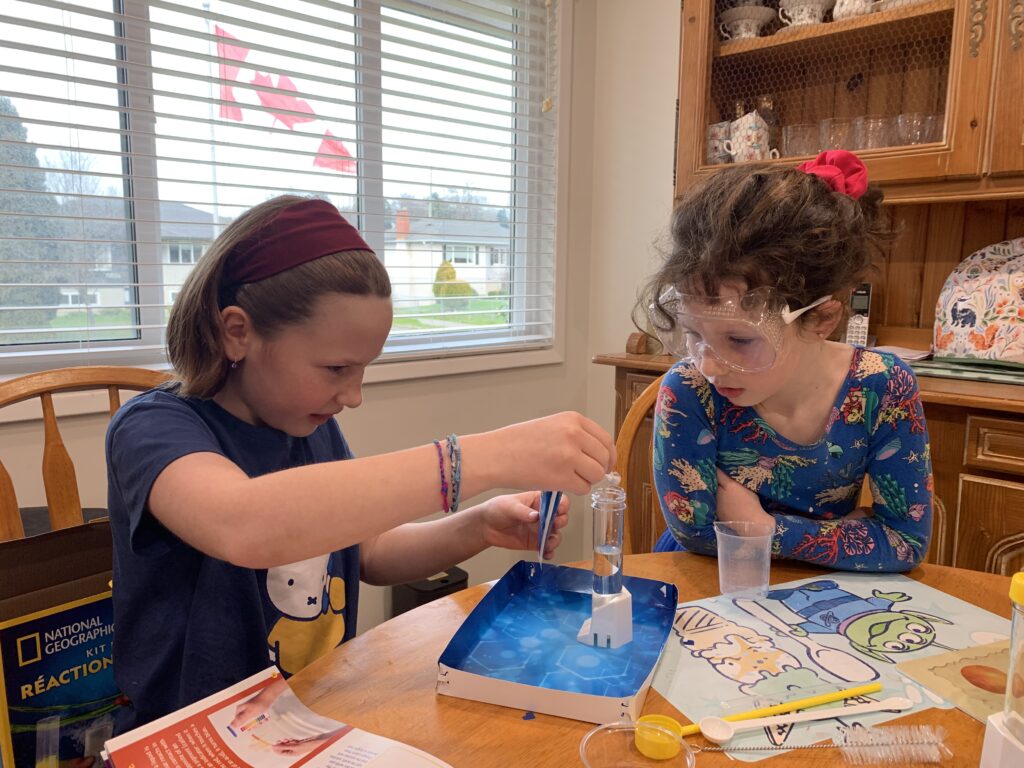
After reading the post Students Need to DO Something, I found similarities in my own children’s struggles with the public education system. Educators constantly asking students to learn material and not do anything with it is a gap in the education system. Incorporating more active learning will increase student engagement and involvement. This makes learning more inclusive to the range of learning abilities of students. In my experience it is important for students to enjoy learning and treat it as a lifelong process. We spend 12 years in the school system learning skills to prepare us for adulthood. If students are passively ingesting what the teacher says or what they read then it is hard to get excited and engage with the material. This impedes a students’ ability to think critically, ask questions, and discuss what they have learnt.
Moving Forward
This is my second degree at UVic and this time around I am making a conscious effort balance passive learning with active learning. In my first degree I relied heavily on passive learning. Sitting in lectures all day and then spending hours taking notes. I was working so hard, yet my test scores were not reflecting the effort I was putting in. Looking back, I realized I wasn’t retaining the material because I wasn’t engaged. Cell biology is a very dry subject. I should’ve incorporated video and audio into my study methods. I did better during group work when I actively participated in discussions.